
Our story
I Was Rehabbing People After Regenerative Procedures Before Most People Had Heard Of Them.
Eighteen years of it. Olympic athletes, UFC fighters, Wimbledon and the French Open — and every one of them asked me the same question you're asking now.
I'm from San Diego. Went to San Diego State, stayed here, built the practice here in 2014. But the part of this that matters to you started in 2008, in an operating room, before anybody was saying the words “stem cell” out loud.
What they were trying then was cartilage transplant. They'd take a piece of your own cartilage, grow it in a dish for thirty days, trim it to the size of the worn patch, then open the knee six to nine inches, bend the joint, and set it in. It worked, sometimes. It was also enormously painful and left people with a scar you could see across a room.
That was my first exposure to the question the whole field has been trying to answer since: is there a way to get tissue to regrow, instead of cutting it out and replacing it?
Then came PRP. Then came the rest. And because of the hospital relationships we had early on, the referrals kept arriving.
Then the Olympic athletes started getting them
I was a physical therapist at the U.S. Olympic Training Center for three years, and I travelled with those athletes. In 2011 and 2012 one of the main stem cell producers was out of Germany, and the top American athletes were flying over to get treated.
You would assume their situation has nothing to do with yours. It has everything to do with yours. They came home with a joint that had been treated, a body they needed back, and no idea what they were allowed to do on Tuesday.
Same question from a UFC fighter, from a tennis player between Wimbledon and Roland Garros, from someone at an NFL combine. And later, the same question from a retired teacher in Montana and a grandmother in Texas. The money and the rankings change. The question does not.
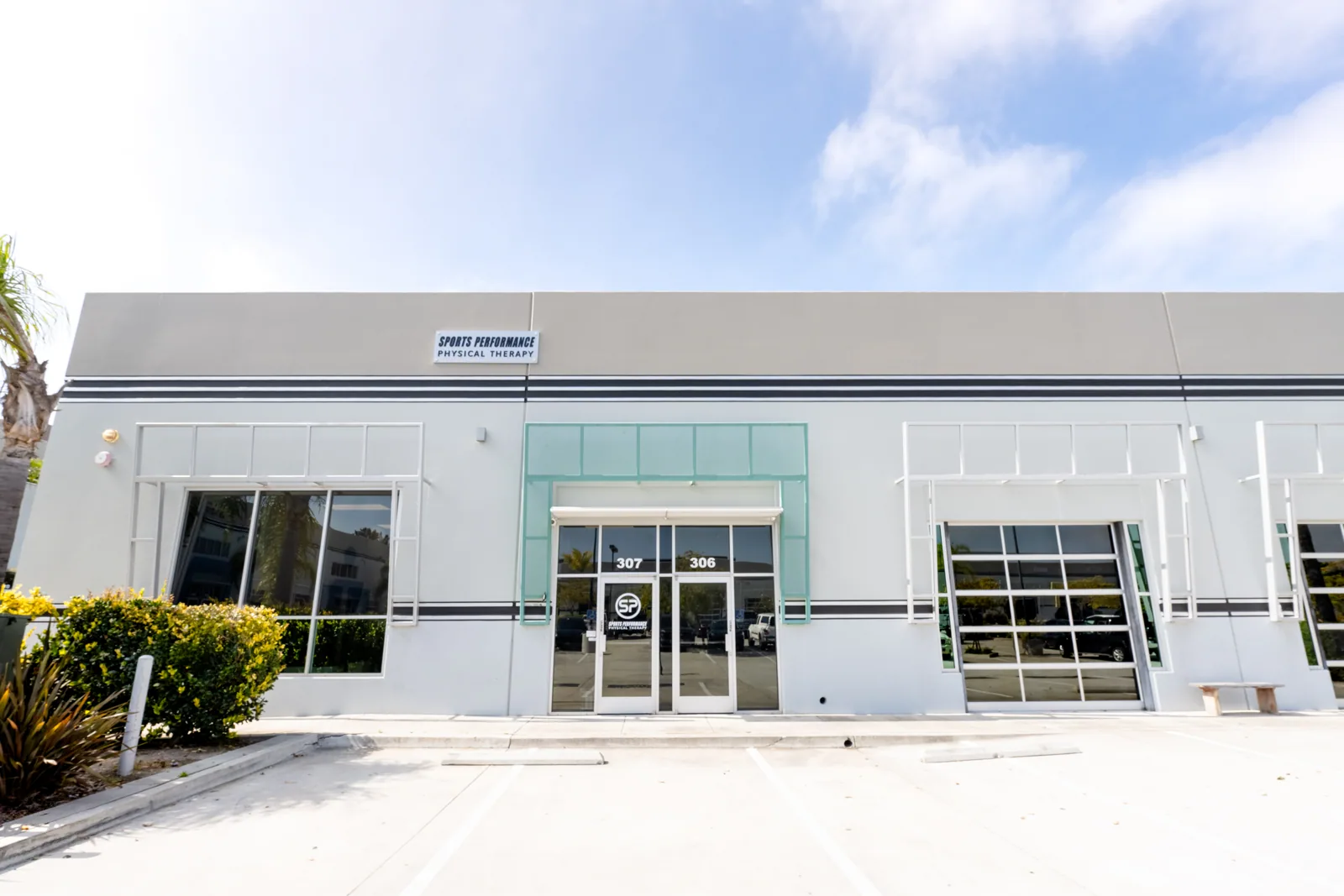
Why this practice exists
People do everything right. They research for months. They compare providers. They save the money, get on a plane, and get a good procedure from good people.
Then they come home to a rest period and a date to come back.
That advice isn't wrong. It just isn't a plan — and the twelve weeks after the needle decide most of the result. So what actually happens is a midnight search, a comment thread, or a physical therapist who has never treated anyone after an injection running a standard protocol on a joint that isn't standard.
I've watched people get extraordinary results. I've also watched a good procedure get wasted by someone doing too much too soon, or too little for too long, with nobody telling them which one they were doing. The difference was almost never the injection.
We sit outside the procedure on purpose
We don't perform injections, and we're not tied to any one provider. That independence is the point. Our clients arrive having had every kind of procedure — straight IV, local injections, both — from clinics all over the world, and the protocols vary enormously.
So we do what a third party can do: read what the research says across the whole field, and build the recovery around the procedure you actually had. Not the one we wish you'd had.
And the reason none of this is limited to people who live near us is simple. Most of our clients have never set foot in the clinic. They're in Texas, in Montana, in Florida, in Brazil, in India.
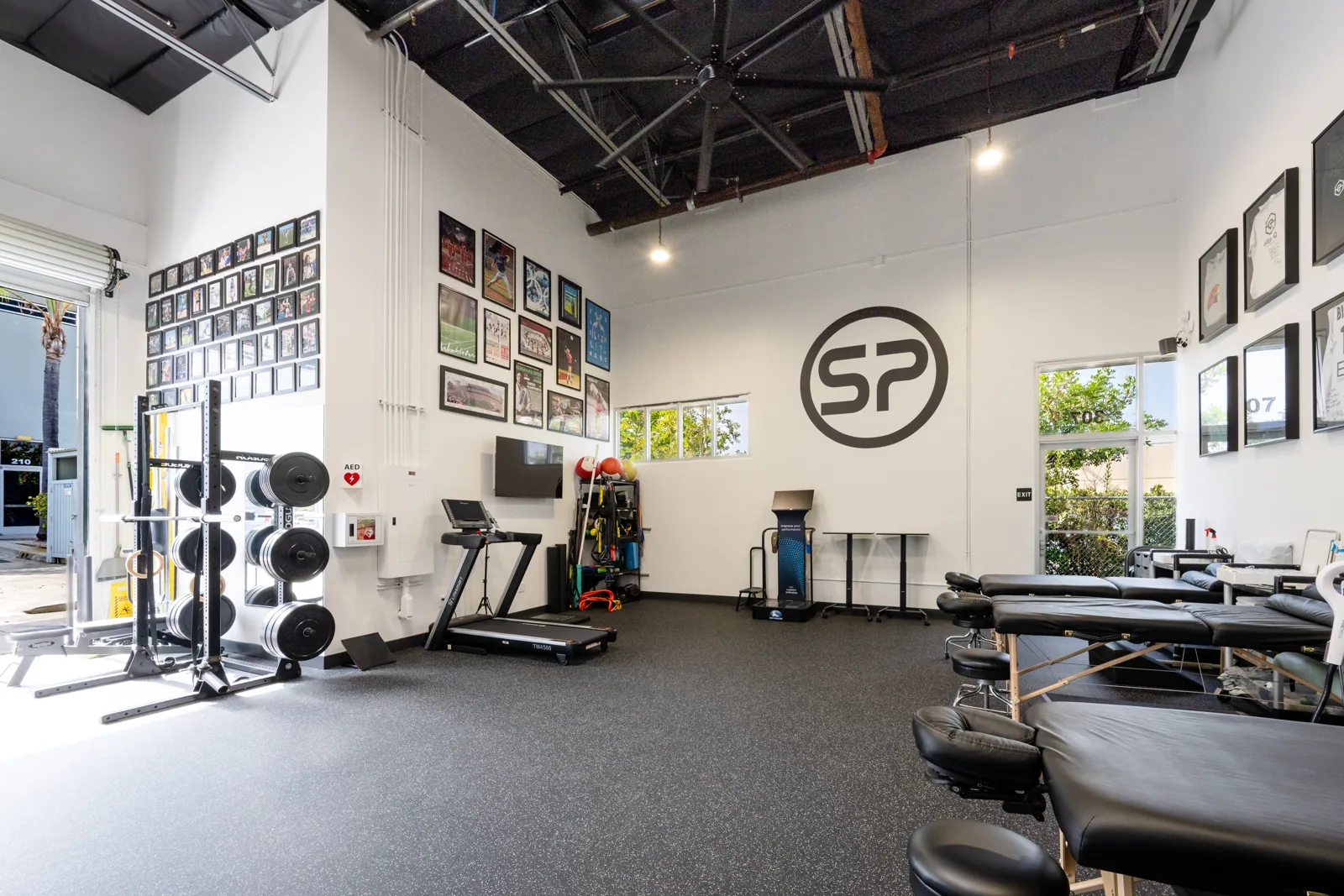
The team you'll actually work with
Clients rarely say “the practice helped me.” They name the person who took their first visit. These are the specialists behind the programs, and they answer questions in the community every week. All four trained under Dr. Chris — Shane, Jordan and Pete as his interns, Brandon through Chris Garcia Academy — which is why Dr. Chris’s Recovery Method runs the same whoever you end up with.
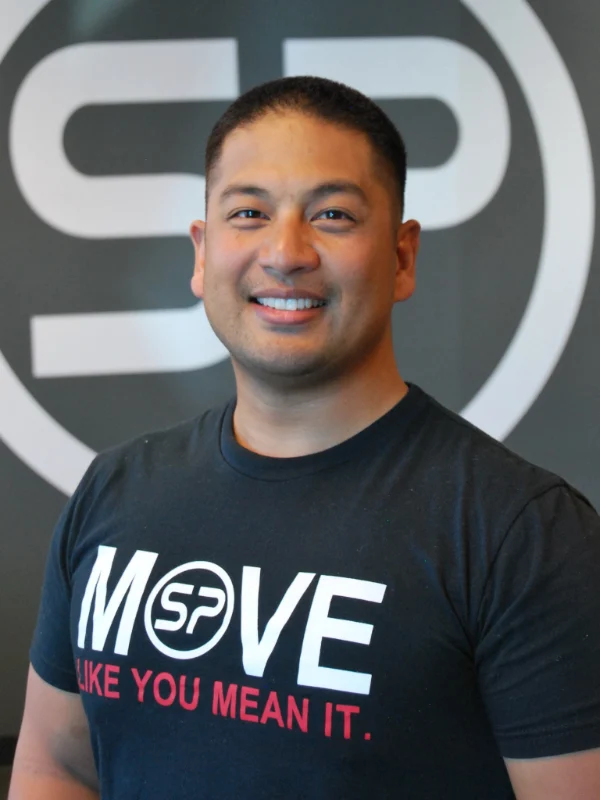
Dr. Shane Adamos, DPT, CSCS
Movement & strength
Doctor of Physical Therapy from USC and a Master's in Kinesiology from San Diego State. A Marine and a Deputy Sheriff before he was a therapist, which is roughly how he runs a progression — methodical, and nothing left to guesswork. Mountain bikes, and coaches his four kids' baseball and softball.
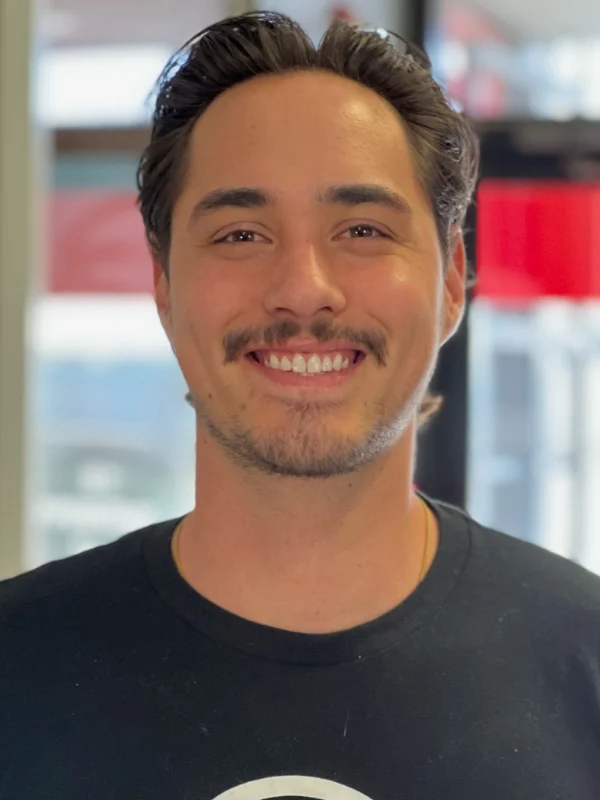
Dr. Brandon Huber, DPT
Manual therapy & movement
Doctor of Physical Therapy with high honors from St. Augustine, with awards for scholastic achievement and for manual therapy. A former multi-sport athlete, so he understands what it costs to be told to stop. Golfs with his fiancée and has two cats.
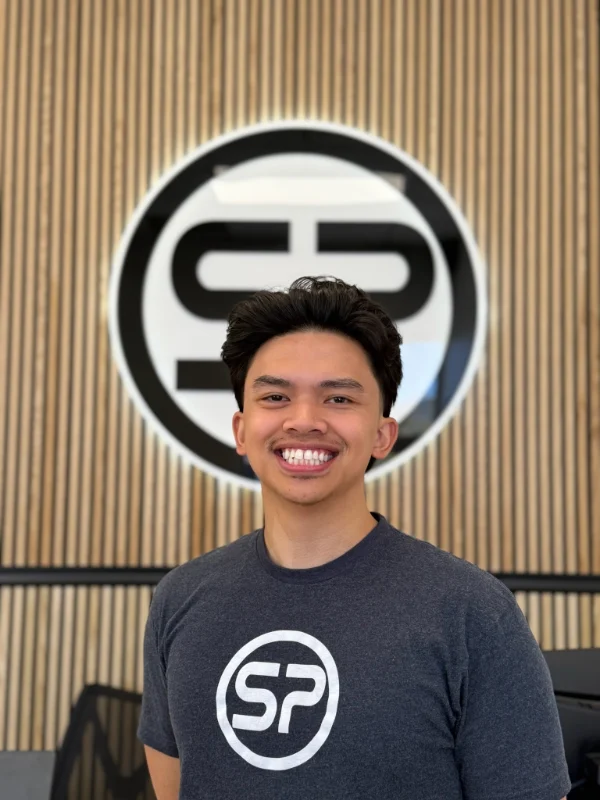
Dr. Jordan Lupdag, DPT
Movement specialist
Human Biology at UC Irvine, then a Doctorate of Physical Therapy at St. Augustine. He learned the Sports Performance approach as an undergraduate under Dr. Chris, years before he was a therapist. A San Diego native who grew up in martial arts, soccer, baseball and football — basketball is the one that stuck, and the one he studies professionally.
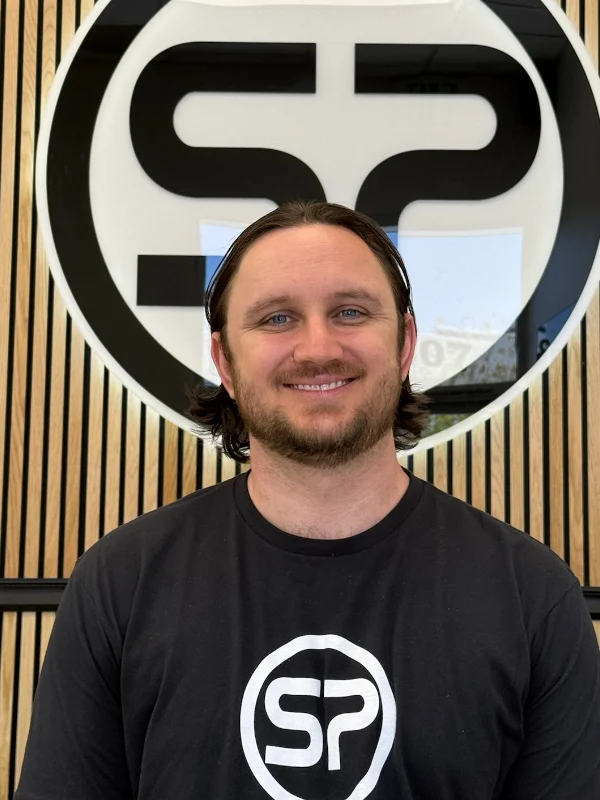
Dr. Pete Coniff, DPT
Movement specialist
San Diego State, then a Doctorate of Physical Therapy at St. Augustine. He worked as an ocean lifeguard while he studied, and interned under Dr. Chris before he qualified. Water polo, surfing, rock climbing — he knows what it is to need your body to work, and how it feels when it won't.
Watch
How to tell whether someone has done this before
Most physical therapists have never treated a joint after an orthobiologic injection. These are the questions worth asking before you book with anybody, including us.
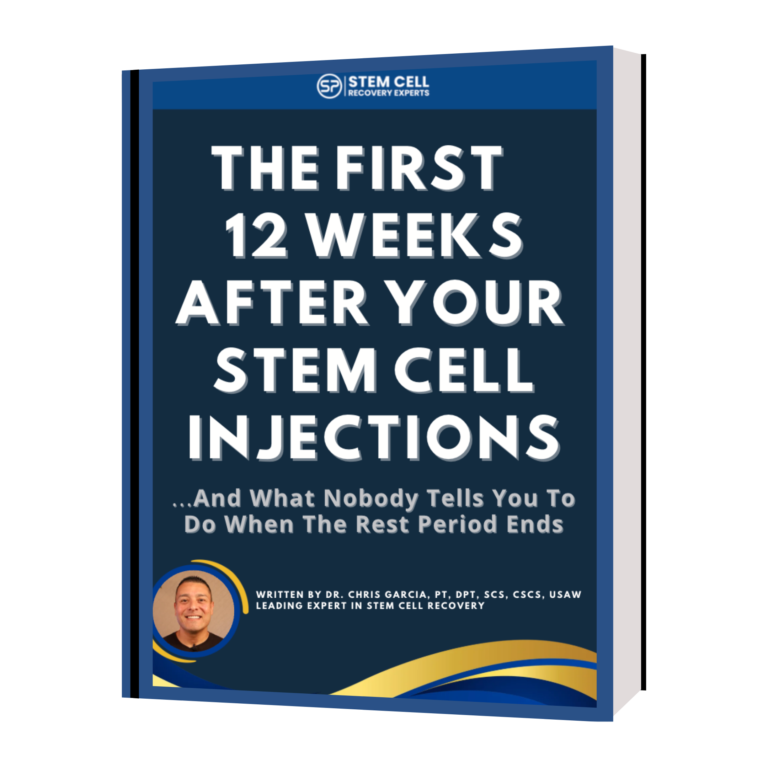
Free report
Before your next appointment, read page 6
Most people leave the clinic with a rest period and a date to come back. Nobody tells them what they are cleared to do in between — so they either sit still for twelve weeks or go straight back to the old routine and pay for it.
Page 6 is the green, amber and red clearance page. What you can do right now, what waits, and what to stop. Fifteen pages, and it costs nothing.